Useful Facts About Peru
Published on Tue, Jul 7, 2026
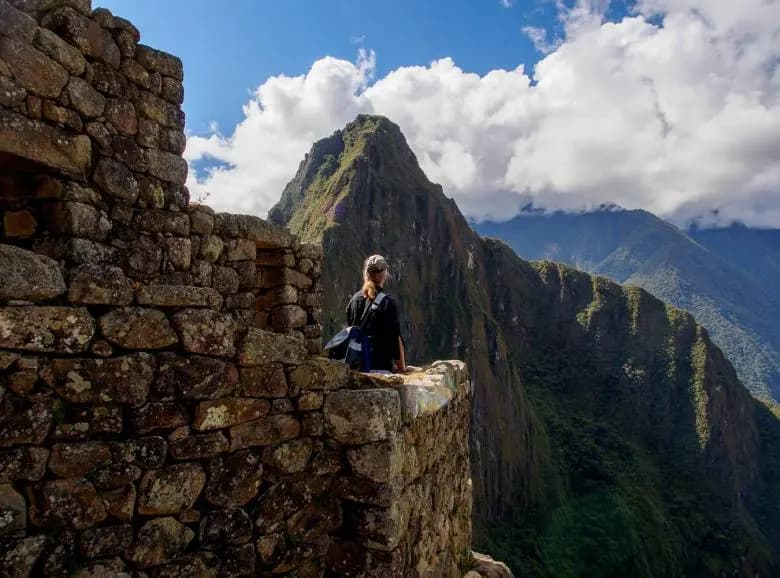
Peru is located in the central western part of South America, on the shores of the Pacific Ocean. With approximately 30 million inhabitants, it covers 1,285,215.60 square kilometers and is the third-largest country in South America after Brazil and Argentina. Politically, the country is organized into 24 regions, not including the Constitutional Province of Callao, and it is divided geographically into 3 major regions (coast, highlands and jungle). Lima is the capital of Peru and the country’s largest city, followed by Arequipa, given its demographic and economic importance. Peru has two official languages: Spanish and Quechua, the language of the Inca Empire. It is possible to communicate in English in popular tourist areas. The Andes mountain range runs through the country from south to north, parallel to the coast, forming the highland region. Peru’s highest peak is Huascarán (6,768 m (22,200 ft)), located in the Cordillera Blanca, the main and highest branch of the Western Cordillera of the Andes and an ideal place for all kinds of adventure sports. Weather in Peru COAST: Temperatures can reach 28°C (82°F) during the summer (December–April); the rest of the year, temperatures can drop to 14°C (57°F) with 90% humidity. HIGHLANDS: The rainy season runs from December to April, with temperatures ranging from 20°C to 5°C (68°F to 41°F); from May to November there are sunny days and very cold nights. This is the best time of year to visit the attractions of the Peruvian highlands. JUNGLE: The jungle has a tropical climate—hot, humid and rainy—with annual temperatures above 30°C (86°F). Religion in Peru Peru is one of the most religious countries in the world. Most of the population is Catholic, although there is broad tolerance of all faiths. Currency and payment The currency is the Nuevo Sol (S/.), with its multiples and fractions circulating as coins of 10, 20 and 50 céntimos and 1, 2 and 5 Nuevos Soles. There are banknotes of 10, 20, 50, 100 and 200 Nuevos Soles. US dollars and euros are accepted at tourist businesses at the day’s exchange rate. Most credit cards are accepted, such as Diners Club, Visa, MasterCard and American Express. Traveler’s checks have limitations, so check beforehand whether they are accepted. Time in Peru Peru is 5 hours behind GMT (Greenwich Mean Time). For reference, when it is noon in Peru, the time in other cities is: Lima, capital of Peru (12:00) New York (13:00) Madrid () London (14:00) Buenos Aires (14:00) Paris (19:00) Tokyo (02:00)* Sydney (03:00)* Santiago de Chile (13:00) Rio de Janeiro (14:00) Holidays in Peru January 1 – New Year’s Day. February 3 – Pisco Sour Day. March, toward the end of the month – Holy Week. May 1 – Labor Day. June 15 – Andean Song Day. July 24 and 25 – Anniversary of Huaraz. July 28 and 29 – Peru’s Independence Day. August 30 – Santa Rosa de Lima. October 8 – Battle of Angamos. November 1 – All Saints’ Day. December 8 – Immaculate Conception. December 25 – Christmas. Food and drink in Peru Peruvian cuisine is very diverse. The most famous traditional dishes are fish and seafood ceviche (“cooked” in lime juice), lomo saltado (stir-fried beef), anticuchos (grilled skewers), arroz con pollo (rice with chicken), ají de gallina (creamy chili chicken), pollo a la brasa (rotisserie chicken) with fries, pachamanca (meat and vegetables cooked underground with hot stones), picante de cuy (spicy guinea pig) and fried trout. Don’t forget to try the authentic national drink, the Pisco Sour, the world-famous cocktail made with pisco, lime, egg whites and sugar. Throughout Peru there are many restaurants serving a variety of regional, national and international dishes. Tourist visas Visas are not required for most citizens of the Americas and Western Europe. Citizens of Ecuador, Bolivia and Chile do not need a visa or passport to enter certain regions of the country. In this case, the permitted stay is 90 days, which can be extended by the immigration authorities. Your passport must be valid for at least 90 days on arrival in Peru. Altitude and health Cusco sits at 3,400 m (11,150 ft) above sea level. You may experience soroche (altitude sickness). We recommend resting on the first day, staying hydrated, drinking coca tea or asking about acetazolamide tablets. Currency and payments Official currency: the sol (S/). 1 USD ≈ 3.7 to 3.8 soles. In large cities you can pay by card. In villages and markets, carry cash. ATMs are common, but check the fees for international withdrawals. Safety and precautions Peru is generally safe, but: Watch your bags, backpacks and phones in crowded areas. Use app-based taxis or taxis recommended by your hotel. Carry copies of your documents and keep the originals in a safe place. Connectivity Affordable prepaid SIM cards are available from companies such as Claro, Movistar and Entel. Many rural areas have limited coverage; check whether your hotel offers Wi-Fi. Plug type and electricity Voltage: 220 V / 60 Hz Outlets: Type A (two flat pins), Type C (two round pins) and Type B (three pins). Tip: Bring a universal adapter if you’re coming from Europe, the US or Asia. Tipping Restaurants: Not mandatory, but it’s customary to leave 10% if the service was good (sometimes it’s already included in the bill as “servicio”). Tour guides: A tip is expected if they give you a good experience (S/10 to S/20 per person). Taxis: Tipping is not customary. Hotels: You can give S/5–10 to porters or housekeeping staff. Language Spanish is the official language. Quechua is also spoken in Cusco and the Andean regions. In tourist areas, many people understand basic English, but it is not widespread. Internet and connectivity You can buy prepaid SIM cards from S/10 with data included. Claro, Movistar, Entel and Bitel are the main carriers. Use apps such as Google Translate or offline Maps if you’re going to rural areas. Water and food Don’t drink tap water. Always use bottled or boiled water. Eat at recommended places or those popular with tourists to avoid an upset stomach. Bargaining Bargaining is common at craft markets and fairs (but do it respectfully). In established shops and supermarkets, prices are fixed. Public restrooms Many charge a fee (between S/0.50 and S/1.00). Always carry coins, toilet paper and hand sanitizer. Travel insurance Highly recommended, especially if you plan to go trekking or do adventure activities (such as at Machu Picchu or the Rainbow Mountain). Business hours Shops: approx. 9 a.m. – 8 p.m. Restaurants: lunch from 12:30 p.m., dinner from 7 p.m. Banks and exchange offices: Monday to Friday, 9 a.m. to 5 p.m. (some open Saturday until noon).